
MrSloty
Understanding the psychology behind gambling behavior in casinos
Understanding the psychology behind gambling behavior in casinos
The allure of MrSloty gambling: Understanding motivation
The psychology behind gambling behavior is complex and multifaceted. One primary driver is the thrill associated with risk-taking. Many individuals are inherently attracted to uncertainty, viewing gambling as a way to experience adrenaline and excitement. The prospect of winning, even if the odds are against them, creates a compelling narrative that keeps players returning to casinos, searching for that next big win. It’s easy to see why many would explore platforms like mrsloty.org.uk as part of their gaming journey. This quest for excitement often overshadows the rational assessment of risk.
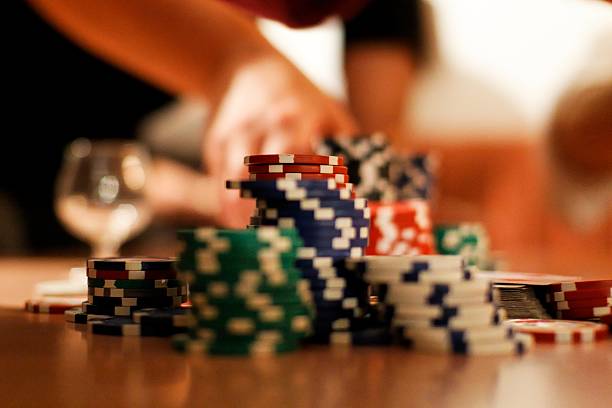
Moreover, social interactions play a significant role in motivating individuals to gamble. Casinos are often vibrant social hubs where people gather to socialize, celebrate, or unwind. The communal atmosphere fosters engagement, encouraging people to partake in games not solely for financial gain but for the camaraderie and shared experiences. This social aspect can be particularly appealing, leading individuals to gamble even when they are aware of the risks involved.
Additionally, the design of casino environments is meticulously crafted to enhance the overall experience. From enticing lights and sounds to the arrangement of games, every detail is intended to stimulate a player’s senses. This sensory stimulation can create a form of escapism, pulling individuals into a world where worries are temporarily set aside, reinforcing their attraction to gambling. Understanding these motivations is essential for grasping why so many are drawn to casinos.
The role of cognitive biases in gambling behavior
Cognitive biases significantly influence gambling behavior, often leading individuals to make irrational decisions. One common bias is the “gambler’s fallacy,” where players believe that past events impact future outcomes. For instance, someone may think that if a particular slot machine hasn’t paid out in a while, it’s due for a win. This erroneous logic can lead players to chase losses and ultimately gamble more than they originally intended.
Another bias is the illusion of control, where gamblers believe they have some control over random outcomes. Players may convince themselves that strategies or specific behaviors can influence the results of games like roulette or slots. This misconception can lead to an overestimation of skill, encouraging individuals to gamble more frequently and with higher stakes. By understanding these cognitive distortions, casinos can better grasp the underlying psychology that motivates persistent gambling behavior.
Finally, near-miss effects, where a player comes close to winning, can further entrench gambling behavior. These instances can provide players with a false sense of hope and motivation to continue playing, even after repeated losses. The psychological impact of near-misses can be powerful, leading players to believe that a win is just around the corner, perpetuating the cycle of gambling. Recognizing these cognitive biases is vital for both players and casino operators.
The impact of emotions on gambling decisions
Emotions play a pivotal role in influencing gambling decisions. Many individuals gamble as a form of escapism, attempting to alleviate stress, anxiety, or boredom. The experience of playing in a casino can provide a temporary distraction from everyday life, allowing individuals to immerse themselves in a different reality. However, emotional states can also skew judgment, causing players to make impulsive decisions that contradict their initial intentions.
Moreover, the emotional rollercoaster of gambling can further complicate a player’s relationship with the activity. The euphoric highs of winning can be exhilarating, reinforcing the desire to continue playing. Conversely, the lows associated with losing can lead to feelings of frustration or despair. This volatility creates a cycle where emotional highs and lows can dictate gambling behavior, often resulting in risky decisions when individuals chase losses or seek to replicate the thrill of a win.
It’s crucial to recognize how emotions can cloud judgment during gameplay. Many players may not fully understand how their feelings can influence their decisions, leading to gambling habits that are unsustainable or damaging. By becoming more aware of the emotional triggers that accompany gambling, individuals can adopt healthier approaches to their gaming experiences, ultimately fostering a more balanced relationship with this activity.
The social context of gambling and peer influence
The social context surrounding gambling heavily impacts behavior. Peer influence can play a significant role in an individual’s decision to gamble. Friends and family members who regularly participate in gambling can create a sense of normalization around the activity, making it appear more acceptable and even enjoyable. This social endorsement can encourage individuals to partake in gambling, often without fully considering the potential risks involved.
Additionally, the communal aspect of gambling can amplify the experience, making it a social event rather than just an individual activity. Casinos often capitalize on this by providing spaces for groups to gather and play together, enhancing the overall atmosphere and fostering a sense of belonging. This collective experience can make gambling more appealing, as individuals are more likely to engage in activities when they feel supported by their peers.
However, this social influence can have negative consequences as well. Individuals may feel pressured to gamble more than they are comfortable with, often to fit in or avoid social exclusion. This phenomenon can lead to increased spending and potential financial issues. By understanding the dynamics of social influence, individuals can make more informed decisions about their gambling behavior, ensuring that it remains a source of enjoyment rather than stress.
MrSloty: A platform for responsible gaming
MrSloty, an online gaming platform, recognizes the importance of understanding gambling behavior in fostering a safe and responsible gaming environment. With over 2,000 games, including slots and live dealer options, MrSloty aims to provide a thrilling experience while promoting responsible gaming practices. Their commitment to security, powered by SSL encryption, ensures that players can enjoy their games in a safe environment.
Additionally, MrSloty offers resources and support for players to help them make informed decisions about their gaming habits. By encouraging responsible gaming practices, MrSloty seeks to empower users to enjoy the excitement of gambling without falling into harmful patterns. Their focus on player education and safety reflects a growing awareness of the psychological aspects of gambling behavior.
Overall, the understanding of gambling psychology is crucial in shaping the experiences of players in the gaming world. MrSloty embraces this knowledge by creating a platform that values not only entertainment but also the well-being of its users. By prioritizing responsible gaming, they aim to redefine the online gambling experience for all players, making it both exciting and safe.